
Human Waste and Radiant: Why We Need Contemporary Art

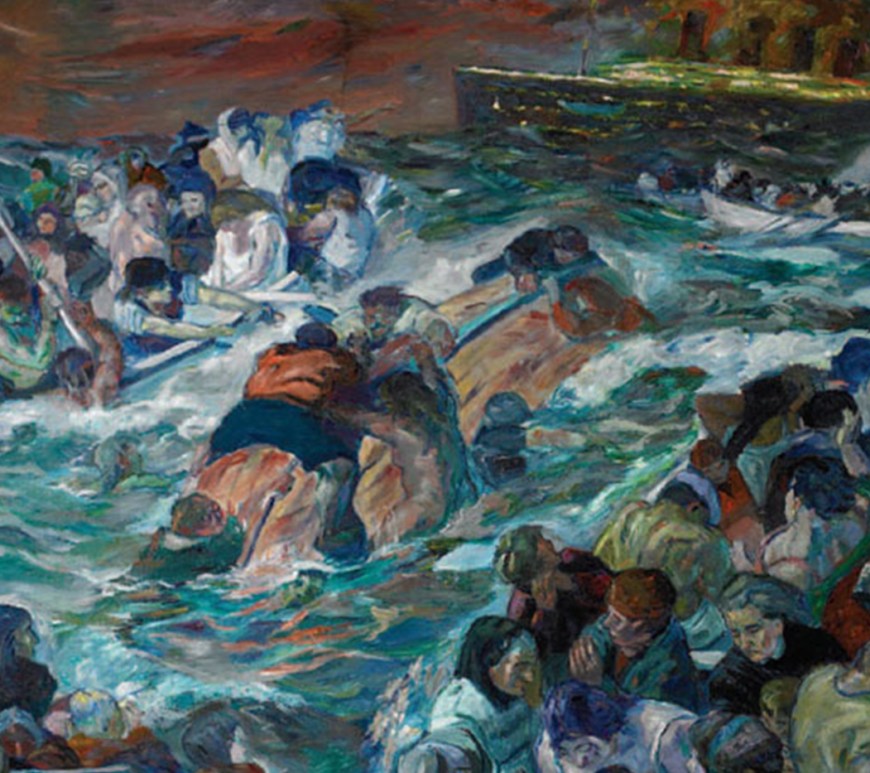
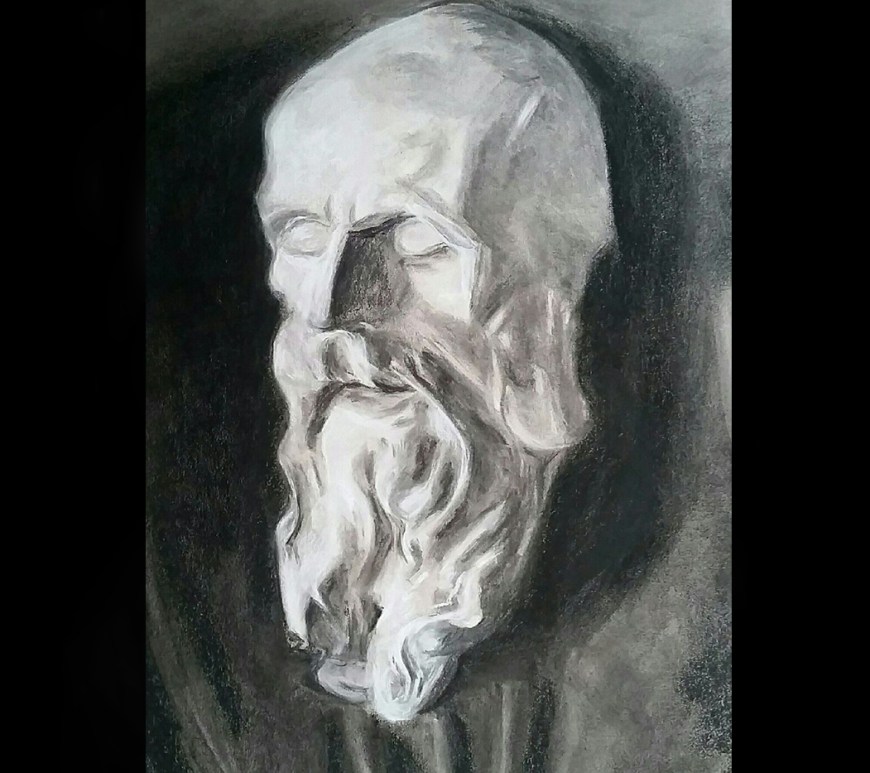
CREATION Art polarizes. Modern and contemporary art have become entwined with with numerous issues of identity and value, such as one’s political leanings. The well-known Political Compass Test asks test-takers to affirm or deny that “Abstract art that doesn’t represent anything shouldn’t be considered art at all.” Like it or not, the conservative-in-stereotype opts, quite vocally, to skip the wing of the museum that holds … Continue reading Human Waste and Radiant: Why We Need Contemporary Art

Faulkner and Film: A Bridge Between Mediums

By Chandler Ryd Faulkner From the opening pages of William Faulkner’s experimental novel The Sound and the Fury, it’s immediately apparent that the story unfolds through an unconventional narrative technique. Those familiar with the body of Faulkner’s work will likely notice his trademark use of stream-of-consciousness, but in this novel, Faulkner adds something even more unusual. The novel is divided into four sections of roughly … Continue reading Faulkner and Film: A Bridge Between Mediums

Christ and Mithras: A Chestertonian Defense of Christian Myth

By Emily Lehman We lumbered over the remains of stone pillars heaped like fallen stacks of spools, scraping our shoes over ancient foundations and glancing up at the Greek countryside in a day that vaguely threatened rain. “And this,” our guide said, “was the site of the cult of Mithras, the center of an ancient Greek cult that involved eating bread and drinking wine. Mithras … Continue reading Christ and Mithras: A Chestertonian Defense of Christian Myth

Learning How to Rest: The Importance of Sabbath at a School that Won’t Stop Moving

By Sarah Borger Life at Hillsdale often seems like a busyness competition. At the beginning of each new semester, or during class registration time, many conversations revolve around course loads and credit hours, and become competitions for who has the most extracurricular activities or works the most hours. The silent contest for who has the most credits launches, and questions of whether we should take … Continue reading Learning How to Rest: The Importance of Sabbath at a School that Won’t Stop Moving

Letter from the Editors, April 2016

Right as I was sitting down to write our final Letter from the Editors today, a Facebook notification bleeped onto my laptop screen—and since I was supposed to be writing this letter, naturally I logged onto Facebook to check the notification instead. It turned out to be quite a pleasant surprise—You Won’t, a small-time, two-man band that happens to have quite a following at Hillsdale, … Continue reading Letter from the Editors, April 2016

Irony Part III—To Celebrate a Feast: Learning to See and Learning in Order to See

By Chris McCaffery He has the repose of a mind which lives in itself, while it lives in the world, and which has resources for its happiness at home when it cannot go abroad. He has a gift which serves him in public, and supports him in retirement, without which good fortune is but vulgar, and with which failure and disappointment have a charm. —John … Continue reading Irony Part III—To Celebrate a Feast: Learning to See and Learning in Order to See

Taste and Community Part II—Charity through Translation: The Community of Taste

By Stacey Egger It is one of the beauties of a human being that he cannot construct his interior—his thoughts, memories, convictions, feelings—in a way that is detached from the world and the people around him. Artistic and intellectual influences facilitate, speed, and color an individual’s coming-to-know, and they are one of the most natural and effective ways to communicate knowledge to others. We like … Continue reading Taste and Community Part II—Charity through Translation: The Community of Taste

Human Beings, Being Gendered: Understanding personhood in light of stereotypes

By Jo Kroeker and Colin Wilson A truncated version of this piece appeared in the Hillsdale Collegian, 17 March 2016. Fol­lowing a botched cir­cum­cision at seven months, David Reimer, born “Bruce” Reimer, underwent two sex reas­signment surgeries. The first occurred at 22 months, when “Bruce” became “Brenda” because doctors thought he would be more likely to succeed as a woman than as a man with … Continue reading Human Beings, Being Gendered: Understanding personhood in light of stereotypes

The Future Doesn’t Exist (And Why You Think It Does)

By Emily Lehman The beginning of Daylight Savings Time left me meditating sleepily on what “time” means in modern America. What does it mean to “save daylight,” exactly? Do we have daylight to save? More importantly, do we save any by a perverse practice of waking up an hour earlier once a year? The answer to the last question is no. The answers to the … Continue reading The Future Doesn’t Exist (And Why You Think It Does)