Three Cheers for Modernity

By Dr. Charles N. Steele But before we start cheering, a few words on the topic.  Modernity is a valuable philosophical framework—a mindset, if you like. It lies between the premodern and the postmodern. Yet what is modernity, exactly? It begins with epistemology. Modernity’s position on epistemology implies something for moral values and ultimately about metaphysics—the fundamental nature of the world. Modernity recognizes reason as … Continue reading Three Cheers for Modernity

Fruitless Success

By Leon Rapoport It was a beautiful summer morning. As the man walked toward his workplace in the early hours of the day, the sun shone brightly through the clouds, illuminating the world with deep warmth. The Earth was still waking up around him as he sauntered away from his car, fumbling with the keys. From the smallest flower to the largest tree, the vegetation … Continue reading Fruitless Success

Look Foul and Feel Fair: Why All Churches Don’t Need to Be Beautiful

By Alethia Diener In The Fellowship of the Ring, surprised at his trust for the mysterious Strider, Frodo tells the strange and rugged man he would expect a servant of Sauron to “seem fairer and feel fouler,” to which Strider responds, “I look foul and feel fair. Is that it? All that is gold does not glitter, not all those who wander are lost.” Encapsulating … Continue reading Look Foul and Feel Fair: Why All Churches Don’t Need to Be Beautiful

“Don’t You Forget About Me”: A Review of the Unforgettable Classic The Breakfast Club

By Julia Leonard The powerful opening chords of Simple Minds’ “Don’t You Forget About Me” welcome the viewer to a world of New Wave music, fingerless gloves, and John Hughes teen films. This is a world in which a silent Saturday detention is a form of discipline for high school students, shouting can shatter glass, and a brain, an athlete, a basket case, a princess, … Continue reading “Don’t You Forget About Me”: A Review of the Unforgettable Classic The Breakfast Club

The Mind as a Fractal: An Excerpt from a Thesis on Narrative and Suicide

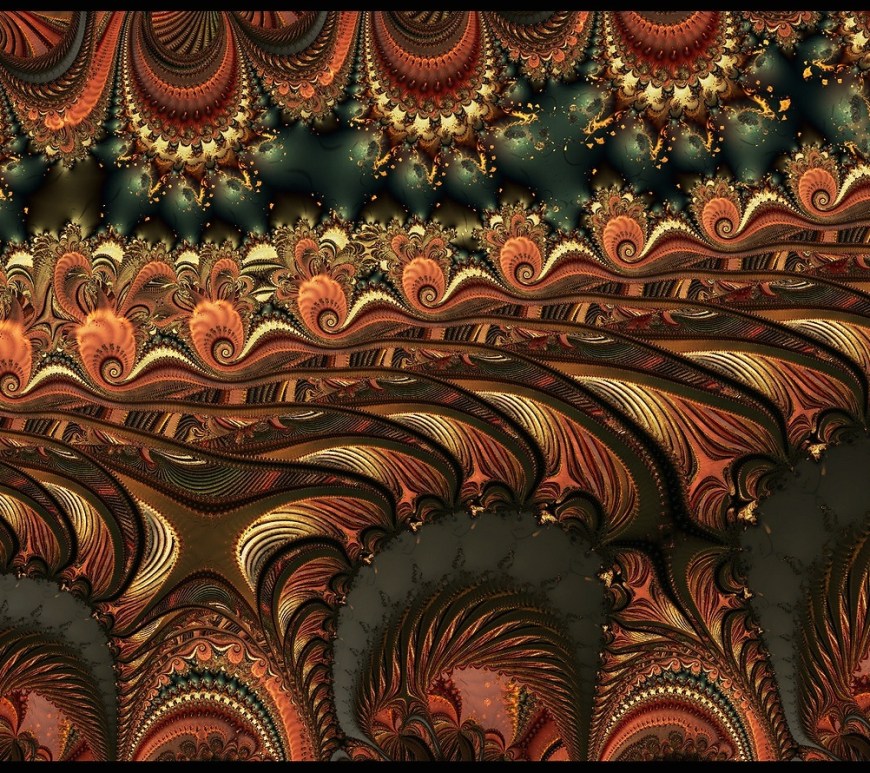
By Rooks Russel Have you ever wondered what depression, neurotic symptoms, and funny shapes might have in common? No, it isn’t the coloring sheet that they’ll hand you after getting tossed in the psych ward. The common thread actually points toward a metaphorical understanding of the mind, a complex information processing system, as a fractal. The term psychological “disorders” implies chaotic and unstructured thinking, but … Continue reading The Mind as a Fractal: An Excerpt from a Thesis on Narrative and Suicide

A Harbor for the Winter: Art, Snow, and Suffering

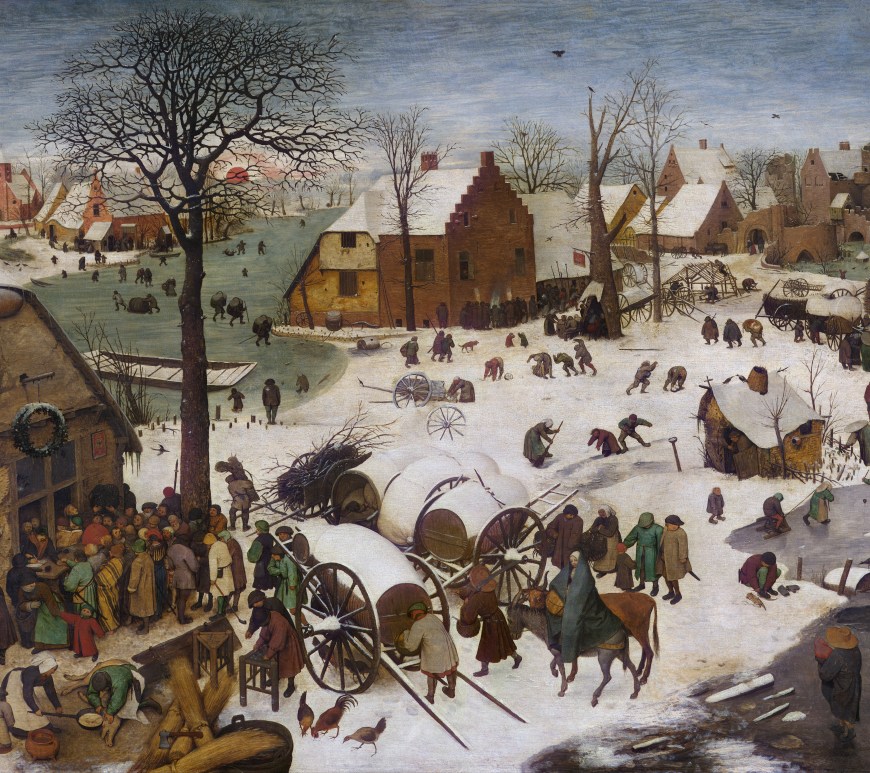
By Campbell Collins “About suffering they were never wrong, / The Old Masters.”  I love these lines, the opening of W.H. Auden’s “Musée de Beaux Arts.” In the poem, Auden describes the paintings of the Brueghels, the Masters who understood suffering so well. He references their depictions of a Dutch Mary, head bowed beneath a blue robe, trudging ignored in the cold and almost hidden … Continue reading A Harbor for the Winter: Art, Snow, and Suffering

Catholicism and America: A New Consideration for Our Age

By Fred Woodward “America is the most democratic country in the world, and at the same time, according to reliable reports, it is the country in which the Roman Catholic religion is making the most progress…our grandchildren…will tend more and more to be divided clearly between those who have completely abandoned Christianity and those who have returned to the Church of Rome.” Thus wrote Alexis … Continue reading Catholicism and America: A New Consideration for Our Age